Ashwagandha: Benefits, Uses & Traditional Ayurvedic Importance
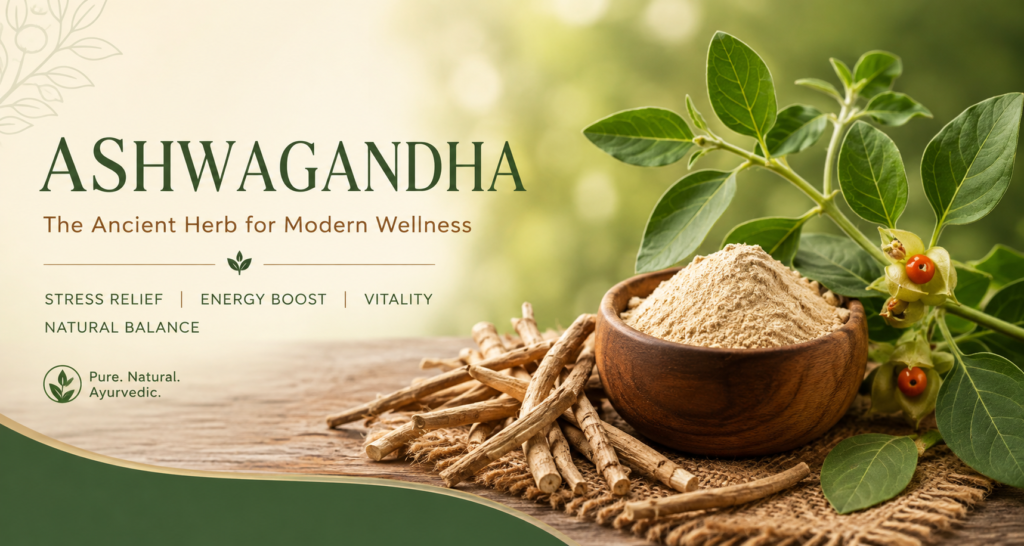
Ashwagandha (Withania somnifera) is one of the most well-known herbs in Ayurveda and has been traditionally used in India for centuries. Its root is particularly valued in traditional Ayurvedic preparations and is commonly used in powder and herbal formulations.
In Ayurvedic literature, Ashwagandha is traditionally associated with strength, nourishment, vitality and Rasayana therapy. References such as Ayurved Saar Sangrah provide valuable traditional context for understanding the properties and uses of Ayurvedic herbs.
In this guide, we explore what Ashwagandha is, its traditional Ayurvedic benefits, common uses, and important considerations when choosing Ashwagandha products.
What Is Ashwagandha?
Ashwagandha is an Ayurvedic herb botanically known as Withania somnifera. It belongs to the Solanaceae family and is commonly cultivated in different parts of India.
The root of the Ashwagandha plant is the most commonly used part in traditional Ayurvedic preparations. The dried root can be processed into a fine powder, commonly known as Ashwagandha Churna.
The herb has been an important part of traditional Indian herbal practices and continues to be widely used today.
Ashwagandha in Ayurveda
Ayurveda traditionally evaluates herbs through concepts such as Rasa, Guna, Virya and Vipaka rather than viewing them only as nutritional supplements.
Ashwagandha is traditionally described in Ayurveda as a Balya and Rasayana herb.
Traditional Ayurvedic characteristics associated with Ashwagandha include:
- Balya – traditionally associated with supporting strength
- Rasayana – traditionally associated with nourishment and vitality
- Brimhana – associated with nourishment and building
- Vata-supportive – traditionally used in Ayurvedic approaches related to Vata
These traditional classifications help explain why Ashwagandha has remained an important herb in Ayurvedic wellness practices.
Traditional Benefits of Ashwagandha

1. Supports Strength and Physical Vitality
Ashwagandha has traditionally been used to support physical strength, stamina and general vitality. Its traditional classification as a Balya herb reflects this long-standing Ayurvedic use.
2. Supports General Wellness
Ashwagandha is traditionally used as part of wellness routines aimed at supporting nourishment and overall vitality.
Rather than being viewed as a quick-fix supplement, traditional Ayurveda considers herbs within a broader approach that includes diet, lifestyle and individual constitution.
3. Traditionally Used for Stress-Related Wellness
Ashwagandha has attracted considerable interest in modern herbal research because of its traditional use in stress and relaxation-related wellness.
However, herbal supplements should not be considered a replacement for professional medical care or treatment.

4. Supports a Healthy Sleep Routine
Traditionally, Ashwagandha has also been used in wellness practices associated with relaxation and restful routines.
Individual responses may vary, and its use should be considered according to personal needs and circumstances.
5. Part of the Ayurvedic Rasayana Tradition
One of the most important traditional aspects of Ashwagandha is its association with Rasayana.
In Ayurveda, Rasayana is a broader concept related to nourishment, vitality and maintaining overall wellbeing. Ashwagandha has traditionally been included among herbs used within this approach.
What Is Ashwagandha Churna?
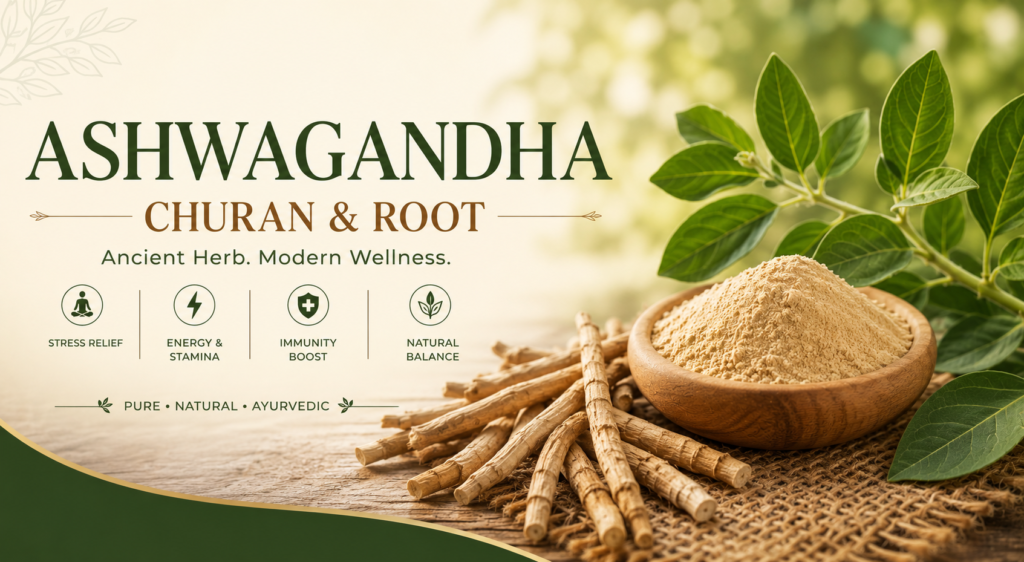
Ashwagandha Churna is traditionally prepared by drying and grinding the root of the Ashwagandha plant into a fine powder.
The quality of the raw herb is important when preparing or purchasing Ashwagandha powder. Authentic sourcing, proper processing, hygienic handling and suitable storage can all influence the quality of the final product.
When purchasing Ashwagandha Churna, customers should look for clear information about the ingredients, source, batch details, packaging and storage.
How Is Ashwagandha Traditionally Used?
Traditional Ayurvedic use can vary depending on an individual’s age, constitution (Prakriti), diet, lifestyle and specific requirements.
Ashwagandha Churna may traditionally be incorporated into different preparations. Therefore, there is no single dosage that should automatically be considered suitable for everyone.
People who are pregnant or breastfeeding, have existing health conditions, or regularly take medicines should consult a qualified healthcare professional or Ayurvedic practitioner before using herbal products.
How to Choose Good Quality Ashwagandha
With many Ashwagandha products available in the market, choosing a reliable product is important.
Consider the following when purchasing Ashwagandha:
- Check the botanical identity of the herb
- Look for clearly listed ingredients
- Choose products with appropriate packaging
- Check batch and manufacturing information
- Follow proper storage instructions
- Purchase from a trusted and transparent source
- Look for information about the quality and sourcing of the raw material
Quality and authenticity should always be a priority when purchasing Ayurvedic herbs.
Ashwagandha Frequently Asked Questions
What is Ashwagandha?
Ashwagandha is a traditional Ayurvedic herb botanically known as Withania somnifera. Its root is commonly used in Ayurvedic preparations.
What are the traditional benefits of Ashwagandha?
Traditionally, Ashwagandha is associated with strength, nourishment, vitality and general wellness. It is also traditionally classified as a Balya and Rasayana herb.
What is Ashwagandha Churna?
Ashwagandha Churna is a powder traditionally prepared from the dried root of the Ashwagandha plant.
What is the botanical name of Ashwagandha?
The botanical name of Ashwagandha is Withania somnifera.
Can Ashwagandha be used every day?
The appropriate use of Ashwagandha can vary between individuals. Factors such as age, health status, medicines and individual requirements should be considered before regular use.
Which part of Ashwagandha is commonly used?
The root is the most commonly used part of Ashwagandha in traditional Ayurvedic preparations.
Ashwagandha and Traditional Ayurvedic Knowledge
Ashwagandha has an important place in India’s traditional herbal heritage. Classical and traditional Ayurvedic literature has documented numerous herbs and their traditional applications.
Ayurved Saar Sangrah can be used as a traditional reference when studying Ayurvedic herbs and their properties. However, traditional descriptions should be understood within their original Ayurvedic context and should not automatically be interpreted as modern medical claims.
Conclusion
Ashwagandha is one of the most recognized herbs in traditional Ayurveda. Known botanically as Withania somnifera, its root has been traditionally valued for its association with strength, nourishment, vitality and Rasayana practices.
From traditional Ashwagandha Churna to modern herbal wellness products, quality and authenticity remain important considerations.
At Jai Shree Pansari (JSP), our aim is to connect customers with quality herbs, spices, dry fruits, powders, seeds and traditional Ayurvedic raw materials while respecting India’s rich herbal heritage.
Disclaimer: This article is provided for educational and informational purposes based on traditional Ayurvedic knowledge. It is not intended to diagnose, treat, cure or prevent any disease and should not replace professional medical advice. Consult a qualified healthcare professional or Ayurvedic practitioner for individual guidance.
अश्वगंधा: फायदे, उपयोग और आयुर्वेदिक महत्व
अश्वगंधा (Withania somnifera) आयुर्वेद की प्रसिद्ध और पारंपरिक औषधीय जड़ी-बूटियों में से एक है। भारत में इसका उपयोग लंबे समय से शारीरिक बल, पोषण, ऊर्जा और सामान्य स्वास्थ्य के लिए पारंपरिक रूप से किया जाता रहा है। अश्वगंधा की जड़ का विशेष महत्व आयुर्वेदिक योगों और चूर्ण में माना जाता है।
आयुर्वेदिक ग्रंथों और पारंपरिक संदर्भों, जैसे आयुर्वेद सार संग्रह, में विभिन्न औषधीय द्रव्यों के गुण और पारंपरिक उपयोगों का वर्णन मिलता है। इसी पारंपरिक दृष्टिकोण से अश्वगंधा को समझना इसके महत्व को बेहतर तरीके से जानने में मदद करता है।
अश्वगंधा क्या है?
अश्वगंधा का वैज्ञानिक नाम Withania somnifera है। यह Solanaceae परिवार का पौधा है और भारत के विभिन्न क्षेत्रों में पाया जाता है।
अश्वगंधा के पौधे की जड़ (Root) का उपयोग आयुर्वेदिक परंपरा में सबसे अधिक किया जाता है। इसकी सूखी जड़ को पीसकर चूर्ण बनाया जाता है, जिसे सामान्य रूप से अश्वगंधा चूर्ण (Ashwagandha Churna) कहा जाता है।
आयुर्वेद में अश्वगंधा को एक महत्वपूर्ण पारंपरिक जड़ी-बूटी के रूप में स्थान प्राप्त है।
आयुर्वेद में अश्वगंधा का महत्व
आयुर्वेद में किसी जड़ी-बूटी को केवल आधुनिक पोषण संबंधी दृष्टिकोण से नहीं देखा जाता, बल्कि उसके रस, गुण, वीर्य और विपाक जैसे पारंपरिक सिद्धांतों के आधार पर भी समझा जाता है।
अश्वगंधा को पारंपरिक रूप से बल्य और रसायन द्रव्य के रूप में जाना जाता है।
अश्वगंधा से जुड़े पारंपरिक आयुर्वेदिक गुण
- बल्य – शरीर के बल और सामर्थ्य को सहारा देने वाला
- रसायन – पोषण और जीवनशक्ति से संबंधित पारंपरिक उपयोग
- बृंहण – पोषण प्रदान करने से संबंधित
- वात-सहायक – आयुर्वेदिक दृष्टिकोण से वात से संबंधित संतुलन में पारंपरिक उपयोग
इन्हीं पारंपरिक विशेषताओं के कारण अश्वगंधा आयुर्वेदिक स्वास्थ्य परंपरा में महत्वपूर्ण मानी जाती है।
अश्वगंधा के पारंपरिक फायदे
1. शारीरिक बल और ऊर्जा के लिए
अश्वगंधा का पारंपरिक उपयोग शारीरिक बल, सहनशक्ति और सामान्य ऊर्जा को सहारा देने के लिए किया जाता रहा है।
आयुर्वेद में इसे बल्य द्रव्य के रूप में वर्णित किया जाता है, जिसके कारण यह पारंपरिक स्वास्थ्य और पोषण संबंधी दिनचर्या का हिस्सा रही है।
2. सामान्य स्वास्थ्य और पोषण के लिए
अश्वगंधा का उपयोग पारंपरिक रूप से शरीर के सामान्य पोषण और जीवनशक्ति को बनाए रखने के उद्देश्य से किया जाता है।
आयुर्वेद में किसी भी जड़ी-बूटी के उपयोग को व्यक्ति की प्रकृति, आहार और जीवनशैली के साथ जोड़कर देखा जाता है।
3. तनाव से संबंधित सामान्य स्वास्थ्य के लिए पारंपरिक उपयोग
अश्वगंधा का पारंपरिक उपयोग आराम और तनाव से संबंधित सामान्य स्वास्थ्य के संदर्भ में भी किया जाता रहा है।
हालांकि, किसी भी हर्बल उत्पाद को किसी बीमारी का इलाज या चिकित्सा उपचार का विकल्प नहीं माना जाना चाहिए।
4. अच्छी नींद की दिनचर्या के लिए
पारंपरिक रूप से अश्वगंधा का उपयोग आराम और शांत दिनचर्या से जुड़े स्वास्थ्य अभ्यासों में भी किया जाता है।
हर व्यक्ति पर इसका प्रभाव अलग हो सकता है, इसलिए व्यक्तिगत आवश्यकताओं को ध्यान में रखना महत्वपूर्ण है।
5. आयुर्वेदिक रसायन परंपरा में स्थान
अश्वगंधा की सबसे महत्वपूर्ण पारंपरिक विशेषताओं में से एक इसका रसायन के रूप में उल्लेख है।
आयुर्वेद में रसायन एक व्यापक अवधारणा है, जो शरीर के पोषण, जीवनशक्ति और सामान्य स्वास्थ्य को बनाए रखने से संबंधित है।
अश्वगंधा चूर्ण क्या है?
अश्वगंधा की सूखी जड़ को साफ करके और पीसकर तैयार किए गए पाउडर को अश्वगंधा चूर्ण कहा जाता है।
अच्छी गुणवत्ता वाले अश्वगंधा चूर्ण के लिए कच्चे माल की शुद्धता, सही प्रसंस्करण, स्वच्छता और उचित भंडारण महत्वपूर्ण हैं।
अश्वगंधा खरीदते समय उत्पाद की सामग्री, स्रोत, बैच नंबर, निर्माण विवरण और पैकेजिंग की जानकारी अवश्य देखनी चाहिए।
अश्वगंधा का सेवन कैसे किया जाता है?
आयुर्वेद में किसी भी जड़ी-बूटी के सेवन को व्यक्ति की आयु, प्रकृति, आहार, जीवनशैली और व्यक्तिगत आवश्यकता के अनुसार देखा जाता है।
अश्वगंधा चूर्ण का पारंपरिक रूप से अलग-अलग अनुपानों और तैयारियों के साथ उपयोग किया जाता है। इसलिए सभी लोगों के लिए एक ही मात्रा को समान रूप से उपयुक्त मानना सही नहीं है।
यदि कोई व्यक्ति गर्भवती है, स्तनपान करा रहा है, किसी स्वास्थ्य समस्या से जूझ रहा है या नियमित दवाइयां ले रहा है, तो अश्वगंधा का सेवन करने से पहले योग्य चिकित्सक या आयुर्वेदिक विशेषज्ञ की सलाह लेना उचित है।
अच्छी गुणवत्ता वाली अश्वगंधा कैसे चुनें?
बाजार में अश्वगंधा के कई प्रकार के उत्पाद उपलब्ध हैं। इसलिए खरीदते समय गुणवत्ता और प्रामाणिकता पर ध्यान देना जरूरी है।
अश्वगंधा खरीदते समय:
- पौधे का वैज्ञानिक नाम देखें
- सामग्री की सूची जांचें
- विश्वसनीय स्रोत से उत्पाद खरीदें
- पैकेजिंग की गुणवत्ता देखें
- बैच नंबर और निर्माण विवरण जांचें
- उचित भंडारण निर्देश देखें
- कच्चे माल की गुणवत्ता और स्रोत की जानकारी को प्राथमिकता दें
अश्वगंधा से जुड़े सामान्य प्रश्न
अश्वगंधा क्या है?
अश्वगंधा एक प्रसिद्ध आयुर्वेदिक जड़ी-बूटी है, जिसका वैज्ञानिक नाम Withania somnifera है। इसकी जड़ का उपयोग पारंपरिक आयुर्वेदिक तैयारियों में किया जाता है।
अश्वगंधा के क्या फायदे हैं?
पारंपरिक आयुर्वेद में अश्वगंधा को बल्य और रसायन द्रव्य माना जाता है तथा इसका उपयोग बल, पोषण, जीवनशक्ति और सामान्य स्वास्थ्य के लिए किया जाता रहा है।
अश्वगंधा चूर्ण क्या होता है?
अश्वगंधा की सूखी जड़ को पीसकर बनाया गया पाउडर अश्वगंधा चूर्ण कहलाता है।
अश्वगंधा का वैज्ञानिक नाम क्या है?
अश्वगंधा का वैज्ञानिक नाम Withania somnifera है।
अश्वगंधा के किस भाग का उपयोग किया जाता है?
आयुर्वेदिक परंपरा में अश्वगंधा की जड़ का उपयोग सबसे अधिक किया जाता है।
क्या अश्वगंधा का रोज सेवन किया जा सकता है?
अश्वगंधा के नियमित सेवन की उपयुक्तता व्यक्ति की आयु, स्वास्थ्य स्थिति, दवाइयों और व्यक्तिगत आवश्यकताओं पर निर्भर कर सकती है। नियमित सेवन से पहले विशेषज्ञ की सलाह लेना बेहतर है।
आयुर्वेद सार संग्रह के संदर्भ में अश्वगंधा
भारत की पारंपरिक आयुर्वेदिक चिकित्सा पद्धति में विभिन्न जड़ी-बूटियों के गुण और उपयोगों का विस्तृत वर्णन मिलता है।
आयुर्वेद सार संग्रह जैसे पारंपरिक संदर्भ ग्रंथों के माध्यम से आयुर्वेदिक द्रव्यों के पारंपरिक महत्व को समझा जा सकता है। हालांकि, पारंपरिक आयुर्वेदिक विवरणों को उनके मूल आयुर्वेदिक संदर्भ में ही समझना चाहिए और उन्हें आधुनिक चिकित्सा संबंधी दावों के रूप में प्रस्तुत नहीं करना चाहिए।
निष्कर्ष
अश्वगंधा आयुर्वेद की सबसे प्रसिद्ध पारंपरिक जड़ी-बूटियों में से एक है। Withania somnifera के नाम से जानी जाने वाली इसकी जड़ का उपयोग लंबे समय से आयुर्वेदिक परंपरा में किया जाता रहा है।
पारंपरिक रूप से अश्वगंधा को बल्य, रसायन और पोषण से संबंधित द्रव्य के रूप में महत्व दिया गया है। आज भी अश्वगंधा चूर्ण और अन्य हर्बल तैयारियों के रूप में इसका उपयोग किया जाता है।
Jai Shree Pansari (JSP) का उद्देश्य भारतीय आयुर्वेदिक और पारंपरिक हर्बल विरासत से जुड़े गुणवत्तापूर्ण Herbs, Spices, Dry Fruits, Seeds, Powders और Ayurvedic Raw Materials उपलब्ध कराना है।
Disclaimer
यह लेख केवल शैक्षणिक और सामान्य जानकारी के उद्देश्य से प्रस्तुत किया गया है और पारंपरिक आयुर्वेदिक ज्ञान पर आधारित है। इसे किसी बीमारी के निदान, उपचार या रोकथाम के लिए चिकित्सा सलाह नहीं माना जाना चाहिए। किसी स्वास्थ्य समस्या, गर्भावस्था, स्तनपान या नियमित दवाइयों के सेवन की स्थिति में योग्य चिकित्सक या आयुर्वेदिक विशेषज्ञ से सलाह लें।